
Tan Lab home image

Systems Approaches to Gut Biology and Disease

We aim to elucidate the fundamental principles governing intestinal inflammation and disease progression in spatial and temporal dimensions by developing interdisciplinary technologies and AI-driven computational frameworks. We further develop molecular switches and multimodal perturbations to interrogate functional genomics and tissue biology at single-cell and systems levels.

Research Area

Read More
Innate Sensing: Understanding Host Responses to Gut Pathogens

Innate Sensing: Understanding Host Responses to Gut Pathogens

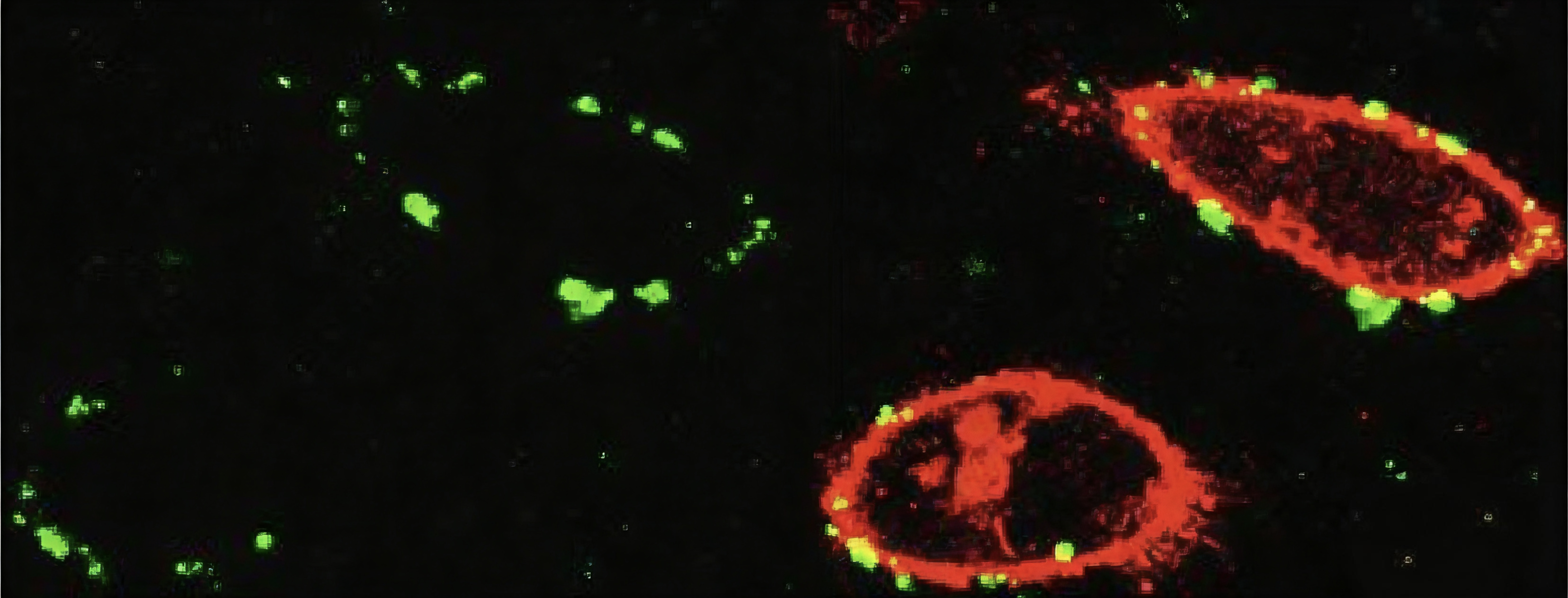
How are innate immune responses orchestrated, particularly the spatiotemporal assembly of signalosomes in RIG‑I, cGAS, and inflammasome pathways? Do viruses hijack these complexes for immune evasion, and can they serve as antiviral therapeutic targets?
Gastrointestinal Tumor Microenvironment and Metastasis

Gastrointestinal Tumor Microenvironment and Metastasis

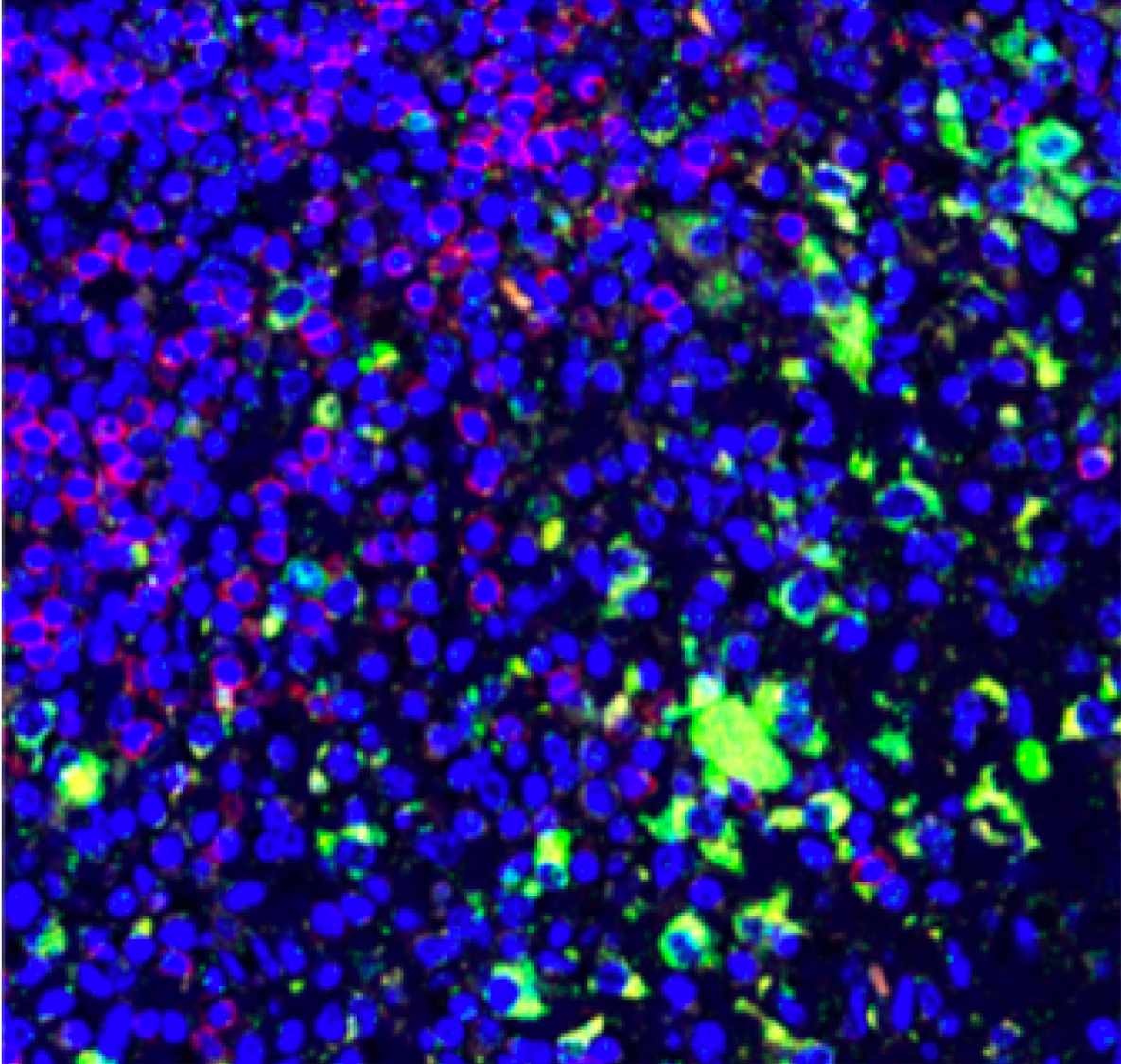
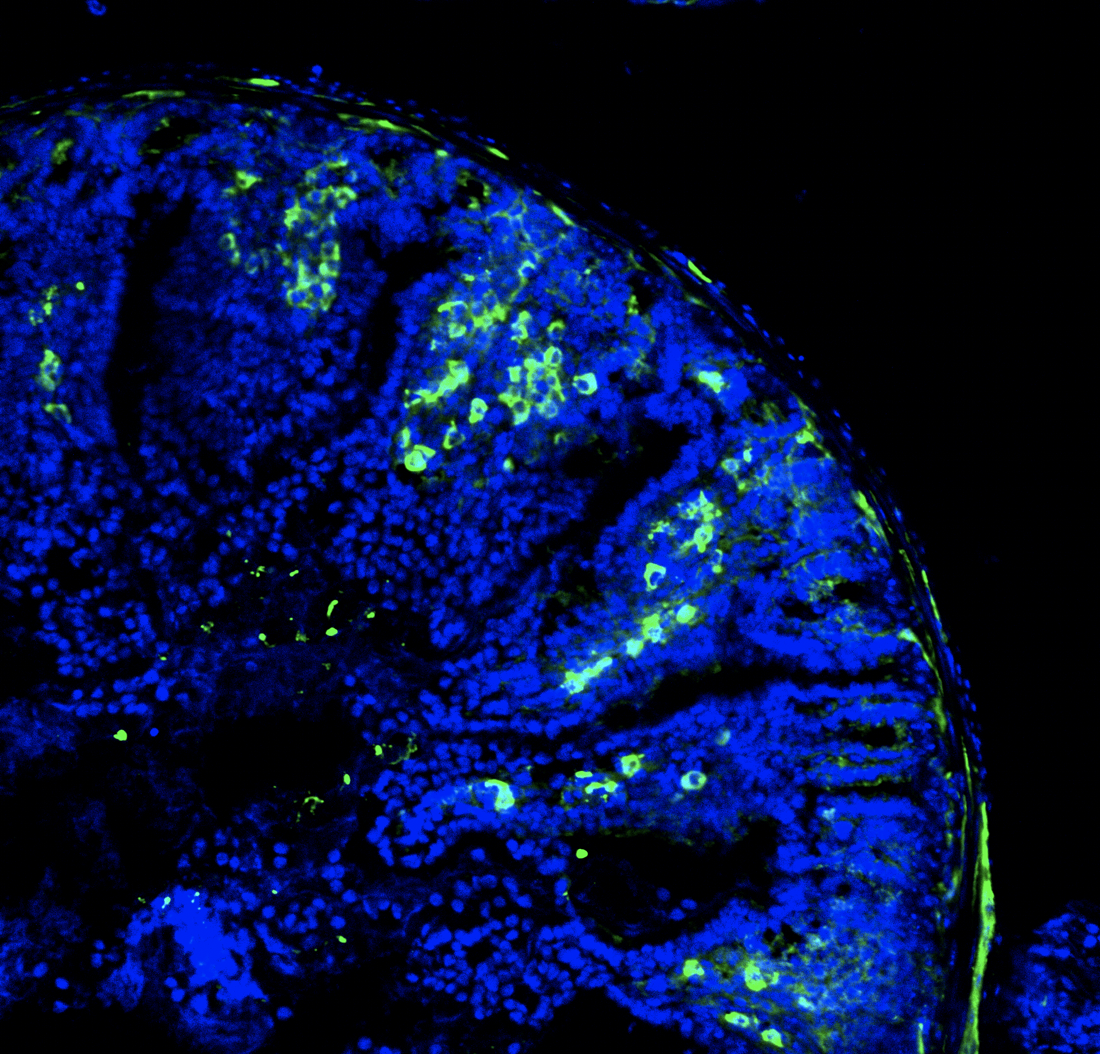
What mechanisms drive state transitions and differentiation of non-tumor cells in the tumor microenvironment—such as immune cells, fibroblasts, adipocytes, and neurons—to promote cancer metastasis and immune escape?

Enteric Nervous System and the Gut-Brain Axis

Enteric Nervous System and the Gut-Brain Axis

How do region-specific neurons within the enteric nervous system preserve gastrointestinal barrier integrity against noxious stimuli? And what roles do these neurons play in the pathogenesis of inflammatory disorders, autoimmune diseases, allergic responses, and neurodegenerative conditions across the intricate gut–brain axis?

Deep Gut Optogenetics for Precision Neuroimmune Modulation

Deep Gut Optogenetics for Precision Neuroimmune Modulation

Optogenetics serves as a versatile platform for the precise regulation of intestinal cell physiology with unparalleled spatiotemporal resolution. Our work centers on establishing image-guided optical pooled screening strategies and developing region-specific neuroimmune-targeted therapies for intestinal aging, inflammatory bowel disease, colorectal cancer, and food allergy.